
Practical outdoor habits, pacing ideas, and route comfort — general lifestyle information for Wellington walkers.
Walking sits comfortably between rest and more intense exercise. It lets you move at your own pace, pause when needed, and explore Wellington without special equipment beyond sensible shoes. New Zealand's Ministry of Health encourages adults to include regular moderate activity in weekly routines — for many people, that can mean several short outdoor walks rather than one long session.
Unlike gym visits that need travel and timing, walking can fit around daily life. A loop from Tory Street to the waterfront and back is a simple way to add outdoor time before or after work. Wellington's hills add natural variety: climbing Kent Terrace or ascending through Thorndon can make a familiar route feel fresh without a formal training plan.
Our club structures walks into short, medium, and long categories so members can choose what suits the week ahead. Starting with two short walks and adding a medium session after a fortnight is a pattern many newcomers find manageable through winter and into spring.
On flat Wellington paths, many group members enjoy a brisk but conversational pace — roughly five to six kilometres per hour. You should still be able to speak in full sentences without feeling rushed. Over time, regular outings can become a familiar part of your week rather than a one-off effort.
Desk workers often welcome a short outdoor break between two and four pm. A fifteen-minute loop can interrupt long sitting periods and offer a change of scenery. Members who join our lunchtime medium walks sometimes say they feel more refreshed when they return to afternoon tasks, though everyone's experience is different.
Wellington's variable weather can work in your favour: a cool breeze often makes a route feel invigorating. Layer clothing so you can adjust as you warm up during the first ten minutes of movement.

A slower evening walk can be a simple way to mark the end of the working day.
After hours at a desk, many people carry tension in their shoulders and prefer a change of scenery. Walking offers rhythmic movement and fresh air without requiring a particular goal. Time in green spaces — along the Town Belt or harbour — gives your attention somewhere else to rest for a while.
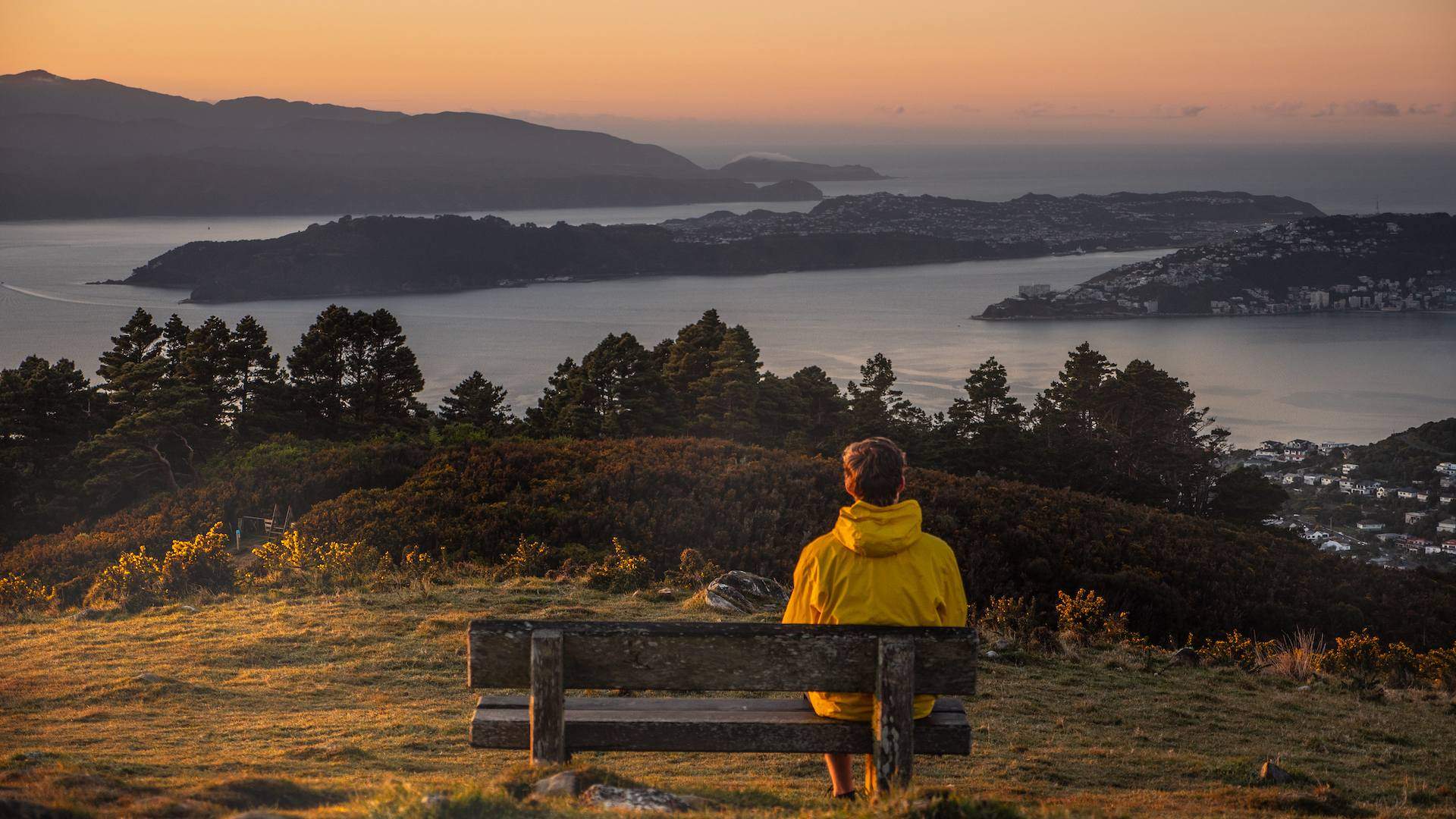
Our evening walks are deliberately slower and quieter, giving members space to decompress after work. There is no pressure to chat; some people prefer to walk in silence and watch the light change over the harbour.
If you can speak in full sentences comfortably, you are likely at a pace that suits most group walks. Slow down on hills and resume on flat sections.
Add no more than ten percent to your weekly walking time each fortnight. Sudden jumps from two short walks to daily long routes can feel tiring and harder to maintain.
Rest or choose a very short flat walk between medium and long sessions. Regular members often alternate easier and longer days.
Bring water on walks over thirty minutes. For sessions over ninety minutes, a small snack such as fruit or nuts can be useful on longer routes.
"The hills here are not obstacles — they are natural intervals built into every neighbourhood. Walk them at your pace, pause when you need to, and enjoy the view at the top."
Wellington's wind and hills are part of daily life here. Ascending from Lambton Quay to Kelburn can feel more demanding even at a slow pace. On steep downhills, shorter steps can feel steadier underfoot. Our route cards note elevation gain so you can choose walks that match your current comfort level.
Seasonal changes matter too. Winter mornings may need an extra warm layer for the first ten minutes. Summer walks along exposed coastal paths benefit from sun protection and earlier start times. Adjusting pace and clothing for conditions is part of sustainable walking practice.
Find a Walk That FitsStop and rest if you feel unwell or unusually tired on a route. Inform the walk leader immediately.
Carry anything you personally need for outdoor activity. Walk leaders do not supply medication or personal items.
Apply SPF 30+ on clear days. UV levels in New Zealand remain high even when the air feels cool.
Start the first five minutes at a slower pace before settling into your regular rhythm.
| Date | Walk Focus | Level | Time |
|---|---|---|---|
| Mon 23 Jun | Morning Harbour Loop | Short | 7:00 am |
| Wed 25 Jun | Botanic Garden Route | Medium | 12:30 pm |
| Sat 28 Jun | Coastal Explorer Walk | Long | 9:00 am |
Aim for a pace where you can hold a conversation. On flat paths this is typically five to six km/h. Hills naturally slow your speed — that is normal.
For many people, regular walks are a practical way to stay active outdoors. Some members combine walking with other hobbies they enjoy. Choose what fits your lifestyle.
Start with short flat walks and increase duration gradually. If you are unsure whether a new activity routine is suitable for you, speak with a qualified professional before joining longer routes.