
Mindful pacing, nature routes, and walking instead of short car trips — general lifestyle information only.
Quiet walking is less about speed and more about where you place your attention. Instead of replaying yesterday's meeting or rehearsing tomorrow's to-do list, you notice the sensation of your feet on the path, the temperature of air on your skin, and the sounds around you. Many walkers say this simple focus helps the outing feel more restful.
On a familiar Wellington path, you might observe how light filters through pohutukawa leaves differently each season, or feel the change from paved footpath to gravel in the Botanic Garden. Our quiet walk sessions dedicate the first twenty minutes to calm attention before optional conversation resumes.
You do not need prior experience with meditation. The walk itself is the activity. If your mind wanders — and it will — gently return attention to the next step. That return is part of the practice, repeated naturally over a thirty-minute loop.
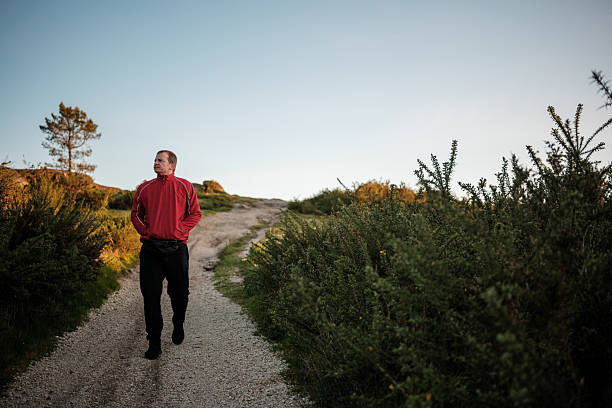
Many walkers describe a sense of ease that comes from combining steady movement with time in natural settings. Wellington offers both within a short distance — the Town Belt's green paths contrast with the bustle of Cuba Street, and switching between them can feel like a welcome change of pace.
Evening walks through Kelburn's quiet lanes can mark the end of the working day. Members sometimes mention feeling less tense in their shoulders by the time they reach the Botanic Garden gate, though everyone's experience is different.
Seasonal awareness adds another layer. Noticing kowhai blooming in spring or hearing more tui calls in summer connects you to cycles larger than your daily schedule. That wider sense of place is one reason people return to the same routes in different seasons.

Every step that replaces a short car trip reduces emissions and reconnects you with your neighbourhood.
Trips under two kilometres — common for Te Aro errands, café visits, and library runs — produce zero direct emissions when walked. Our optional walk logs help members visualise collective impact over a month.
Pedestrian paths and parks typically offer cleaner air than sitting in congested lanes. The waterfront promenade consistently shows lower particulate readings than inner-city road corridors during peak hours.
Monthly litter-pick walks combine gentle movement with environmental care. Bags and gloves provided at Tory Street meeting point. Favourite trails stay tidy for everyone.
Our route library notes bus and train links so you can walk one direction and ride the other. Combining walking with transit extends your range without relying solely on a private car.
At the start of a walk, name one thing you see, hear, smell, feel, and (if applicable) taste — perhaps the salt air near Oriental Bay. This anchors attention in the present moment.
Match two or three steps to each inhale and exhale. No forced breathing — just a gentle rhythm that gives the mind a simple anchor.
Choose a bench or viewpoint midway. Stand still for sixty seconds and observe without photographing. Stillness within movement deepens the practice.
Spend two minutes writing one observation from the walk. Over weeks, these notes reveal patterns in what restores your attention.
Morning mindful walks focus on awakening the senses. We meet at dawn during summer months for quiet loops through the Botanic Garden before tourist traffic arrives. The air is crisp, bird song is prominent, and the low-angle light creates long shadows that make familiar paths feel new.
Evening quiet walks use a slower pace and optional silence after the opening segment. Routes favour sheltered paths away from traffic noise. Many members describe these outings as a favourite way to unwind after work.
Weekend eco walks combine longer distance with environmental themes — coastal ecology at Red Rocks, native planting areas in Zealandia's outer zone, or urban green corridor tours through the Town Belt. Guides share factual information about local flora and Wellington's predator-free initiatives without turning the walk into a lecture.
"The path does not ask you to be anyone other than who you are right now — just a person walking, breathing, and noticing."
Wear light-coloured or reflective clothing on dusk walks. Leaders carry a small torch for dim trail sections.
Watch for tree roots and uneven surfaces on bush paths. Mindful walking includes noticing hazards underfoot.
Apply sun protection on open coastal routes. Sandfly repellent recommended for certain bush sections in summer.
Stay back from cliff edges on Red Rocks routes. Check tide times before coastal walks with limited exit points.
| Date | Mindful / Eco Walk | Focus | Start |
|---|---|---|---|
| Tue 24 Jun | Dawn Silent Walk | Mindfulness | 6:45 am |
| Thu 26 Jun | Evening Kelburn Calm Loop | Relaxation | 6:30 pm |
| Sat 28 Jun | Red Rocks Eco Tour | Coastal ecology | 9:00 am |
| Sun 5 Jul | Community Litter-Pick Walk | Eco action | 10:00 am |
No. Quiet walking requires only willingness to notice your surroundings and bodily sensations. Leaders offer brief guidance at the start of silent sessions.
The first twenty minutes are silent. Afterward, conversation is welcome but optional. You can continue in quiet if you prefer.
Replacing short car trips with walking eliminates direct tailpipe emissions for those journeys. Combined with public transport for longer distances, walking supports lower overall transport impact.